Tuesday, April 01, 2008

Learning Letters - PA

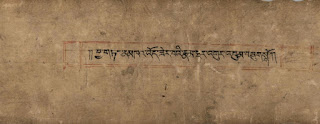
Another letter that has a high frequency is the letter PA. The reason is that this letter is used to build new words from other verbs and nouns. This means that there's a good chance you see the end of the word if you encounter པ. 


Here's an example, based on earlier letters we have gone through. སེམས། sems means mind. Note that in the modern Tibetan dialect the last letter in such combinations is not pronounced, so it sounds like SEM. However, if you listen to the Ladakh dialect, or some of the Mongolian dialects, you could still hear the ending SA pronounced so the word sounds like SEMS, as in ancient Tibetan.

If there's a word you see a lot in Tibetan Buddhist scriptures, it is སེམས།

If you add to the end of སེམས། we will get སེམས་པ། This means 'movement of the mind', the way the mind operates, from movement to movement, arising, sustaining and then giving rise to the next moment of mind.

Check out the Tibetan below to see more uses of the letter པ, especially with vowels such as པེ, པི, པོ and པུ.

གཞིས་བཟང་པོ་ལྟ་བུ་ནི་ཚུལོ་བཞིན་སེམས་པ་དང་ལྡན་པའོ།

།དིག་པ་ལྟ་བུ་ནི་ག༷ཧན་གྱི་ཉེས་པ་དང་འཁྲུལ་པ་མི་བརྗོད་པ་དང་།

རང་གི་ཡོན་ཏན་མི་བརྗོད་པ་དང།

གཞན་ལ་མི་སྨོད་པའོ།


Monday, March 31, 2008

Learning Letters - SA

The next letter good to learn is ས, SA. This is also the word for ground or earth. Knowing how to put together vowels we have སེ། (one of the six early tribes of Tibet), སི། (whistle or death), སོ། (tooth) and སུ། (who).

Another example is སོ་སོ།, an expression that means individual, distinct. So we got a lot of mileage just by learning another letter and how to build vowels.

Try to find the letter ས in the text below.

།བླ་མ་དེས།དི་ལྟར་བརྗོད་དེ།

ཀྱོད་ཀྱིས་བྱངཆུབ་ཏོ་སྨོན་ལམ་བྲབ་བས།

བདག་ལས་བྱང་ཆུབ་སེམས་དཔའི་ཚུལ་ཁྲིནམས་ཀྱི་བསླབ་པ་འཛིན་པར་འདོད་དམ་ཞེས་པ་ཡང་གསུམ་མོ།

Saturday, March 29, 2008

Learning Letters - Vowels

With Tibetan letters, the vowels are marked with a sign above or below the root letter. To take the MA letter, if you add a line above, མེ, it becomes ME (fire). If you add this sign above, མི, it becomes MI (human, or a negation particle).  If you have this, མོ, it is MO (divination system). Finally, with this sign, མུ , you have MU (border.) 


Note that the same system is true for all other letters, examples: ལོ།  LO (age),  ནི། NI (as for), and so on. The signs above or below turns the default vowel, A-based, into a specific vowel. So if you learn these additional four vowels, you know all the five Tibetan vowels.

See if you recognize the various vowels in the Tibetan text below:

 །བླ་མ་དེས།དི་ལྟར་བརྗོད་དེ།

ཀྱོད་ཀྱིས་བྱངཆུབ་ཏོ་སྨོན་ལམ་བྲབ་བས།

བདག་ལས་བྱང་ཆུབ་སེམས་དཔའི་ཚུལ་ཁྲིནམས་ཀྱི་བསླབ་པ་འཛིན་པར་འདོད་དམ་ཞེས་པ་ཡང་གསུམ་མོ།


Friday, March 28, 2008

Learning Letters - MA

There are many ways to learn the Tibetan letters. One basic system is based on how they are pronounced.


My take is to learn based on the frequency of letters, as well as starting with very simple letters and word combinations. I will try to test this out in the blog -- sorry for you you know the Tibetan lettering system inside out, but this is good for anyone totally new to Tibetan letters and are just starting to read Tibetan. I will classify the postings as Introduction entries.

If you look at Tibetan text, there's lots of overhanging dots and weird letters between. But at some point you start to see some of the letters showing up a lot. MA is one of the first ones you start recognizing.

You could see patterns like ་་་་་་བླ་མ་་་་་་  (lama), ་་་་་ཉི་མ་་་་་( nyima, sun), or སེམས། (sem, mind.) As you could see, it's really part of another word, as Tibetan makes words from small syllables, don't expect words much longer than two, three or four syllables, sometimes even one syllable.

You could actually find the word མ། ma, it means mother, or it's a negation in front of other constructs.

Anyway, by learning མ we will shortly see how various vowels are formed. Anyway, in some cases, མ is part of the word and is pronounced ma, or sometimes it's a lonely m. 

Below is Tibetan text, try to recognize the letter མ and how it shows up in various configurations.

།བླ་མ་དེས། དི་ལྟར་བཇོརྡ་དེ། ཁྱོད་ཀྱིས་བྱང་ཆུབ་ཏོ་སྨོན་ལམ་བྲབ་བམ། 

བདག་ལས་བྱང་ཆུབ་སེམས་དཔའི་ཚུལ་ཁྲིམས་ཀྱི་བསླབ་པ་འཛིན་པར་འདོད་དམ་ཞེས་པ་ཡང་གསུམ་མོ།


Issues with ACIP to Unicode Conversion and MacOSX

I'm really having fun with Unicode and Tibetan. But part of this is to take a lot of ACIP encoding material that I have as well as available from AsianClassics.org and similar places.


I saw that JSkad had a conversion from ACIP to Unicode (text file). So I tried this, but the output didn't look like Unicode at all. I was using Notepad and Pages (latest), but both didn't show Tibetan Unicode fonts from the output, rather Roman letters with strange numbers.

Now, it could be an operator error, so I need to do something with the text file before using it, or something else.  In case someone has ideas what is happening and how to fix this, please post a comment. Also, if you have other tools or ideas how to convert ACIP encoding to Unicode on the Macintosh platform. If I get this working, a lot of really cool Tibetan material will be posted on dharmadictionary and similar places for public access. 

Wednesday, March 26, 2008

Shad or no Shad

This issue came up recently on the dharmadictionary mailing lists as part of us starting to look into using Tibetan Unicode at the web site.


The issue is that should entries have an ending shad, as in རྩེ། or just be left without, as in རྩེ ?

རྩེ། by the way, means point, peak, top, summit.

Now, there are some dictionaries, such as the Chandra Das one, where the shad is not included. 

However, for most Tibetans not including the shad would look strange. Thus, as we really honor the culture and legacy of Tibetan writing, we decided to use shad at the end. It's a nice way to break the word or construct, as well, indicating where it ends. Naturally, this blog will also use this notation.

Tibetan Unicode Fonts and this Blog

I will start using Tibetan Unicode fonts in this blog from this time forward.


Here's an example: ཆོས། 

Why? Of many reasons:
  • It is much better to see the actual Tibetan words and letters instead of Wylie. The more you see them, the better.
  • It is really time for all of us to start using Tibetan on the computers now that it's feasible for anyone who really wants to do this.
  • I could easier do full conversions of Tibetan texts and use copy/paste of text material instead of using images.
  • Copy/paste will make it possible to copy parts to your documents, as well.
  • Finally when Google catches up you could do searches using Tibetan fonts, wow.
If you use Vista or Leopard (MacOSX 10.5) things should be fine. If you use Windows XP or Tiger (10.4), the stack alignment might look funny. Depending on the Windows installation it might either look fine or odd. Older systems and Linux systems, you need to figure out how to install a default Unicode Tibetan font and also configure various parts.

Anyway, Dharmadictionary is also switching over, slowly, to using Tibetan Fonts, see here for an example.

Anyway, feel free to put comments below in case you have issues or points about this switch. Depending on my schedule I might fix older entries, but there are over four hundred postings so I suspect it won't really happen all across all the postings, at least in the short term.

Tuesday, March 25, 2008

Why are there twelve spheres - 3

To continue with the twelve spheres:

མ་འོངས་པ། ma 'ongs pa is future, the འི 'i at the end is a genitive particle that binds from right to left.

ཉེ་བར་སྤྱོད་པ། nye bar spyod pa is enjoyment,་རྣམ་པ། rnam pa is class or division.

དྲུག drug is number six. སྐྱེ་བ། skye ba is to arise, and again the 'i is a genitive particle binding from right to left.

སྒོ། sgo is a useful word, meaning door in the figurative sense, like a sense door. And you should know the 'i by now.

ཕྱིར། phyir is because. As this ends the whole sentence, we have the last letter doubling by the རོ ro construct.

All together, there's an entrance to the future sixfold experiences or enjoyments. Earlier we saw there were two parts, body (or really deha, the six objects, eye, ear, tongue, body and mental organ) and the objectification. Two times six means twelve.

Why are there twelve spheres - 2

To continue the explanation why exactly twelve spheres:

ལུས། lus here means body. དང། dang is a binding particle. We talked about ཡོངས་སུ་གཟུང་པ། yongs su gzung ba earlier; ཡོངས་སུ། yongs su is an expression, completely.གཟུང་བ། gzung ba is objectification, to grasp to objects. And this expression really has to do with sense objects and their objectification.

གཉིས། gnyis is two, or both, and་ཉིད། nyid means exactly, itself.

So we are again dealing with the body and the objectification via senses.

Tuesday, March 11, 2008

Why are there twelve spheres - 1

Next in Abhidharma-Samuccaya is the issue why there is exactly twelve spheres.

ཅིའི་ཕྱིར། ci'i phyir is why.སྐྱེ་མཆེད། skye mched is sphere; with the plural particle རྣམས། rnams this becomes spheres.

བཅུ་གཉིས། bcu gnyis is twelve.

ཁོ་ན། kho na is only, ཞེ་ན། zhe na is what does it mean. Note that this the same pattern as with the earlier questions listed in this text.

Tuesday, February 26, 2008

Why are there eighteen elements - Part 3

This is the second part for why there are eighteen elements.

'das pa here means past. dang is a conjunctive particle, translate it as 'and.'

ltar means likewise. gyi is a genitive particle.

nye ba means close, to approach. The r is a general sub-ordination particle.

spyod pa is a word used in many contexts, here it's engagement, to enact. Anyway, we need to read these two words together, as nye bar spyod pa means to use, to enjoy.

rnam pa here is division or class. drug is number six. 'dzin pa means grasp, to hold on. It has a genitive particle at the end, 'i. phyir means because, and this is a proper sentence ending so it ends with ro.

Anyway, I must confess that just looking at the Tibetan so far would be a very mysterious thing, unless one found out for example from a Sanskrit-Tibetan-Sanskrit dictionary that this all is really a translation for the following Sanskrit term: atitavartamanasadakaropabhogadharanata
.
What that word means is: the six consciousnesses, visual auditory, olfactory, gustatory, tactile and mental.

Or, to puzzle this together, this is the parts of past and current experiences via the six consciousnesses. As this adds together with the first twelve we mentioned earlier, we have eighteen elements.

Next, about the twelve sense spheres.

Thursday, February 21, 2008

Why are there eighteen elements - Part 2

This section will have three parts, in the second part here we will go through two thirds of the answer.

lus means body. However, here it is actually the Tibetan word used for the Sanskrit term deha which is the six objects: eye, ear, tongue, body and mental organ.

dang
is a particle, a conjunctive particle. As the name implies, there's a conjunction between the words to the right and what's on the left. So a translator should always use something that binds together. Using the word and is a good choice, using commas is less binding so I think that should not be used.

yongs su is an expression: completely. gzung ba is objectification -- to apprehend an object, or to grasp to objects. However here it actually is referring to sense objects and their appropriation. The reason is that this whole part is a translation of the Sanskrit term parigraha which is the six objects: visible form, sound, odor, taste, tangibility and mental objects.

gnyis means two, kyis is an instrumental particle, translate here as by.

If you have kept count, we have the two, and each had six parts, so we are up to twelve, we need six more. That's in the next section, as well as it will have one of the longest Sanskrit terms I've personally ever encountered.

Wednesday, February 20, 2008

Why are there eighteen elements?

Next Abhidharma-Samuccaya addresses why there are exactly eighteen elements.

ci'i phyir is why. khams is element, rnams is plural ending, so we are dealing with elements.

bco brgyad is eighteen. kho na is only, zhe na is what does it mean.

Puzzling all this together and refining: Why are there only eighteen elements?

Next, this why is answered.

Monday, February 18, 2008

Self as basis for all

We are at the fifth and the last skandha, and why it exists.

bdag gi gzhi is the basis of self.

de dag is all that.

gnas is a good word to memorize, here it means basis.

brjod pa is expression. It actually has a genitive particle at the end -- 'i -- and this ties to phyir, hence. It all also ends with the proper sentence ending vowel doubling, ro.

To translate this: self which is the basis of all that. To really understand this, Abhidharma-Samuccaya has a somewhat bias for the Mind Only world view representation. In this world view, there are seeds in the mind that ripens, stored in the storage house consciousness, and these ripening seeds trigger everything that is mentally experienced. Hence this last description for a skandha that should not be hard to figure out.

Next, we will find out the reason behind the amount of elements.

Sunday, February 17, 2008

Self-Base as agent of intention

This is the fourth skandha emerging as a self-base, bdag gi zhi.

chos here is phenomena (dharma.) The next is an interesting twist, you need to be careful when translating. dang is a connection particle, chos ma yin pa is actually two parts, chos again, phenomena, and ma yin pa means does not exist. So this section is phenomena that exists or not. Or all that exists or does not exist.

mngon pa is here to appear, the r at the end is a sub-ordination particle, binding right to left.

'du byed pa is in Sanskrit samskara, conditioning factors, intention, deciding on all what is good and what is bad. So here we are talking about an agent that decides what is good or not good for all phenomena. and brjod pa is expression.

So here the skandha is: an expression of an agent that decides what is good or bad resulting in a self-base. This is one way to translate it. But you could actually put together all kinds of personal translations based on the data provided. Sometimes you get deeper insights by playing around with the translation options.

Friday, February 15, 2008

Self-Base as Expression

To continue how the self appearance manifests via skandhas.

བདག་གི་ཞི། bdag gi zhi is the self-base, the foundation of self that will emerge.

ཐ་སྙད། tha snyad here is expression.

བརྗོད་པ། brjod pa is also expression. One has to be careful here, translating an expression of expressions sounds like a big mouthful.

So the easiest is to follow along with the simplified translation model and state: self as expression.

As for what skandha this reflects, one way is to think of something that is an expression that someone experiences around oneself...

Tuesday, February 12, 2008

Self-base as Experience

To continue with bdag gi gzhi, the five aspects. Now, sometimes it is interesting to improvise concerning translations. The earlier given translation, self-base, is one way to state it, or then base of self. But if we look at the word gzhi, you could see that it has other variations, foundation, residence, basic nature. So you could create new translations, like a jazz player with chords, and see what resonates with you, as long as the usage of the word makes sense. Sometimes such personal translations are very powerful, for oneself, or maybe for others, too.

longs spyod is a word you could also see quite often, here it means actually experience, not enjoyment. And brjod pa is to be expressed.

So, one longer translation is the self-base expressed as experience. But you could actually make this just shorter and translate it as self as experience -- this assumes that the reader already was informed about the nature of self.

Again, using meditation you might get a connection between this self-base and the specific skandha.

Thursday, February 07, 2008

Self as an Expression of Form

This is a somewhat longer sentence, but let's go through it. Look through the earlier postings to get more clues about the words used, as they are repeated in this listing of the five skandhas and the self appearance.

bdag gi gzhi is the self-base.

lus is body but c. yongs su is another good expression to learn: completely. Here I think these two reflects all physical objects, as lus could also be used for physical entities.

gzung ba here is perception (of objects), or the thing apprehended.

dang bcas pa is another good expression you will see a lot: together with, or accompanied by.

brjod pa is to express. dang is a particle that will bind this sentence with the other four parts that will come next.

If we put together all these separately translated parts, we could get something like: self as an expression of physical objects that are perceived.

Now, which skandha is this self-expression reflecting? There's a classical teaching trick where the someone is given enough clues, and with reflection and meditation it will become clear, as well as internalized.

Wednesday, February 06, 2008

Happy lo gsar


This is new year's eve in the Tibetan calendar, so happy ལོ་གསར། lo gsar (lo sar).
ལོ། lo means year, and གསར། gsar means new, so now some of you know three new words! This is a nice, simple word for anyone learning the Tibetan alphabet, too. The Tibetan calendar is based on the moon (lunar calendar), so hence the place of new year is based on the lunar state. Another important times are full moon, no moon, and the state transitions from waxing to waning. As the new moon starts tomorrow, the calendar month/year, starts, too. By the way, if you use Google calendar you could add a lunar calendar that shows the lunar states. Believe it or not, full moon is an interesting day/night.

Another online calendar good to consult is the FPMT dharma dates web site. This lists all the important dharma dates related to the Tibetan calender and the lunar positions. As you could see there, a lot of activities happen during full moon.

Anyway, harmonious wishes for the next year and in the future to everyone reading this blog. And to copy from the ལོ་གསར། message from Lama Zopa Rinpoche just sent out:

"The most happy thing in my life, the most fulfilling thing is to work for and to benefit sentient beings. Even just the mere thought to cause happiness to sentient beings, to benefit them, to free them from suffering - this is the BEST offering to all the buddhas and bodhisattvas, this is the best offering, the best puja, this is what pleases their holy minds the most."
–Lama Zopa Rinpoche

Tuesday, February 05, 2008

Five Expressions of the Appearance of Self

OK, we will now go through how Abhidharma-Samuccaya describes why there are exactly five skandhas. There are five parts to it!

bdag gi gzhi is the self-base. This word will be used in all five parts. bdag is self, gi is a genitive particle binding right to left, and gzhi is base.

rnam pa is class, type, division. lnga is five, so this has to do with the five divisions of the self-base.

brjod pa is expression in this context. The 'i at the end is again a genitive particle that binds right to left. The right side is phyir, in order to, because. So this is: because of the expression, or due to expressing....

The last word, te, is a particle that shows that there's more to come, in other words, the reason why there are five expression of a self-base will be presented next.

Anyway, the self-base word is somewhat artificial in my taste, so I use the term appearance of self instead. So one way to translate this is, using the backwards reading technique good to use from time to time: Because of the five expressions (or methods) that self makes itself to appear.

That's what we will go through next, and it's not tough to already figure out that there's one expression of self that appears for each of the five skandhas. Anyway, the word appear here is important as it will not define that there's any self-existence -- self just appears, it does not exist from its own side.